
African Cultural Heritage: The Soul of a Continent
Africa, often referred to as the cradle of civilization, is a continent of profound diversity, rich traditions, and ancient legacies. With over 1.4 billion people, over 3,000 ethnic groups, and more than 2,000 languages, Africa’s cultural heritage is as vast as its landscape—ranging from the golden sands of the Sahara to the lush forests of the Congo, and from the deserts of Namibia to the highlands of Ethiopia.
African cultural heritage is not just history—it is alive, evolving with time while remaining deeply rooted in the identity, beliefs, and expressions of its people. This heritage reflects in its art, music, oral traditions, festivals, belief systems, and everyday social life.
Ethnic and Linguistic Diversity
Africa is the most ethnically diverse continent on Earth. Countries like Nigeria, Ethiopia, and the Democratic Republic of Congo alone are home to hundreds of ethnic groups, each with distinct languages, customs, and worldviews. The Afro-Asiatic, Niger-Congo, Nilo-Saharan, and Khoisan language families represent a linguistic mosaic that is unmatched globally.
This diversity is not a divide—it is a strength. Across the continent, ethnic groups co-exist, interact, and often share cultural values, stories, and practices.
Traditional Art and Craftsmanship
African art is symbolic, functional, and spiritual. It serves as a medium to connect the physical and metaphysical realms. From the ancient rock paintings of the San people in Southern Africa to the mask-making traditions of the Dogon in Mali and the bronze sculptures of Benin and Ife in West Africa, African artistry speaks to a deep connection with ancestry, cosmology, and nature.
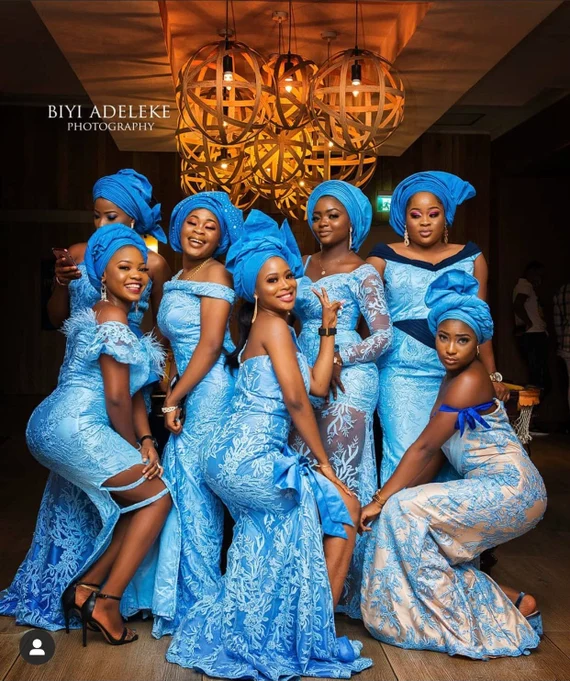
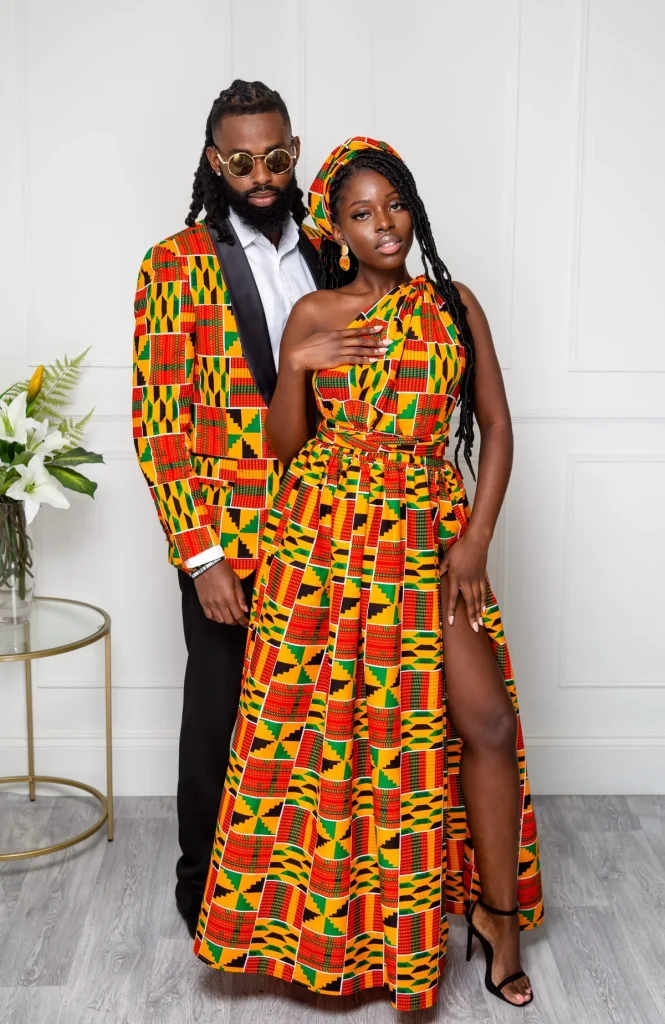
Crafts like basket weaving, pottery, beadwork, and textile weaving (e.g., Ghana’s Kente, Mali’s Bogolanfini, Nigeria’s Aso Oke) reflect regional identities and are often used in rituals, rites of passage, and social ceremonies.
Music and Dance
Music in Africa is not just entertainment—it’s a way of life. It accompanies every aspect of existence: birth, initiation, marriage, farming, and mourning. African music is characterized by complex rhythms, call-and-response patterns, percussion instruments like the djembe, talking drum, balafon, and kora.
Each region has its own distinct musical style:
- West Africa is the birthplace of Afrobeats, Highlife, and Griot storytelling.
- North Africa blends Berber, Arab, and Andalusian music traditions.
- Southern Africa showcases mbube harmonies and marimba rhythms.
- East Africa features instruments like the nyatiti and endongo, with music often tied to storytelling and ancestral praise.
Dance is deeply embedded in African cultures—used to express joy, spirituality, community, and resistance. From Zulu war dances to Ethiopian shoulder dancing, movements are powerful expressions of heritage and identity.
Festivals and Ceremonies
African festivals are spectacular celebrations of life, culture, and spirituality. They mark agricultural cycles, religious beliefs, and historical events. Examples include:
- Timkat in Ethiopia (Epiphany celebration)
- Durbar Festival in Northern Nigeria
- FESPACO film festival in Burkina Faso
- Ouidah Voodoo Festival in Benin
- Cape Town Minstrel Carnival in South Africa
These events are not just fun—they’re also vehicles for cultural education, generational transmission, and social unity.
Religions and Belief Systems
Africa is religiously diverse, with a deep history of indigenous spiritual systems, as well as Islam and Christianity, which were introduced through trade, conquest, and colonization. Traditional religions—such as Yoruba Ifa, Zulu ancestral worship, Dinka cosmology, and Egyptian spirituality—are rooted in the reverence of nature, spirits, ancestors, and deities.
Even where Christianity or Islam dominate, indigenous beliefs remain deeply woven into social practices, moral codes, and daily rituals.
Oral Tradition and Storytelling
Africa’s history has been preserved largely through oral tradition. Griots (oral historians and musicians in West Africa), village elders, and storytellers pass down myths, epics, songs, and proverbs that teach values, history, and cosmology.
Stories like Anansi the Spider (West Africa), The Lion and the Hare (Southern Africa), or the Creation Myths of the San people hold generations of wisdom and continue to shape African thought and culture today.
Fashion and Cultural Identity
African fashion is bold, expressive, and symbolic. Traditional attire varies widely but often includes textiles like Kente (Ghana), Mudcloth (Mali), Shweshwe (South Africa), and Tie and Dye (Nigeria, Senegal).
Clothing is used not only for beauty but to signify marital status, social class, and spiritual significance. Today, African fashion has influenced global design, with designers blending tradition and modernity in exciting ways.
Architecture and Traditional Living
Africa’s architectural heritage is as diverse as its people—from the Great Mosque of Djenné (Mali) and the rock-hewn churches of Lalibela (Ethiopia) to the mud homes of the Hausa and the beehive huts of the Zulu.
Traditional African homes are often built using sustainable local materials and reflect deep environmental awareness, community living, and spiritual orientation.
Conclusion: A Living Legacy
African cultural heritage is a living legacy, not frozen in the past but constantly evolving. Despite the impacts of colonization, globalization, and modern pressures, Africans continue to preserve, celebrate, and reimagine their heritage in art, language, music, literature, and daily life.
It is a source of pride, resilience, and identity—and a powerful reminder that Africa’s richness lies not just in its natural resources, but in the soul of its people.